
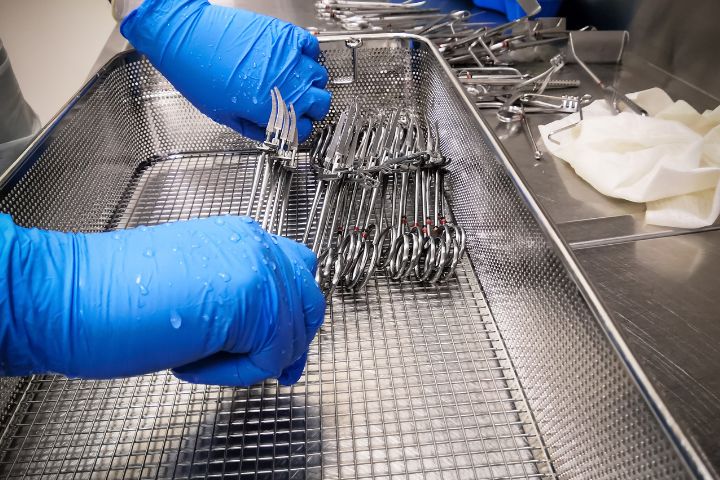
When most people think about healthcare careers, a sterile processing tech might not be the first job that comes to mind. Most people imagine nurses, doctors, or emergency responders. But behind every successful procedure and treatment is a professional who keeps patients safe in a less visible way. Sterile processing techs play a crucial role in ensuring medical tools are clean, safe, and ready for use. If you’ve ever wondered what this role involves or what a sterile processing tech job description looks like, this guide is for you!
Sterile Processing Techs critical link to patient safety
Sterile processing techs are vital to the healthcare system, and their work supports nearly every department in a medical facility. That’s because every medical procedure, from routine exams to complex surgeries, depends on properly cleaned and sterilized equipment. A sterile processing technician serves as the foundation of this process. They make sure instruments are free of germs, organized correctly, and ready to be used safely.
This role supports:
- Infection prevention efforts by following strict protocols to reduce the risks of healthcare-associated infections
- Workflow efficiency. If instruments are not properly cleaned, inspected, or delivered on time, entire departments can experience delays.
- Providing excellent care. Their accuracy and timeliness helps keep medical teams focused.
What a day in the life of a Sterile Processing Tech looks like
A sterile processing tech job description covers a wide variety of tasks, and no two days will look the same. However, most techs follow a structured workflow to help them maintain safety and efficiency.
Here’s a general overview of what a sterile processing tech’s job duties each day may involve:
- Receiving used instruments from surgical teams and other departments.
- Sorting and inspecting each item carefully for damage, wear, and contamination.
- Manually cleaning equipment and/or using automated cleaning systems.
- Assembling instrument trays based on surgical or procedural requirements.
- Operating sterilization equipment to make sure instruments are safe for reuse.
- Documenting sterilization cycles and quality checks.
- Delivering sterilized equipment to the appropriate departments when needed.
- Communicating with medical teams.
Sterile processing techs will spend a lot of their day on their feet, moving between cleaning stations, storage rooms, and inspection areas. They play a behind the scenes yet essential role in patient care.
Skills and qualities of Sterile Processing Techs
To succeed in this important role, professionals need a combination of technical knowledge and personal strengths, including:
- Meticulous Attention to Detail: Sterile processing techs inspect, clean, and assemble instruments, and they must do so with absolute precision. A single missed step can affect patient safety, which means careful observation, consistency, and accuracy are essential skills.
- In-depth Knowledge: Understanding sterilization methods, infection control principles, and safety protocols is at the core of the job. Sterile processing techs must study the science behind sterilization, learn how to operate specialized equipment, and stay updated on industry standards.
- Ability to Work Under Pressure: Healthcare environments are fast paced. A sterile processing tech must remain calm, organized, and efficient under tight deadlines.
- Strong Ethics and Integrity: Patient safety depends on a sterile processing tech’s honesty and responsibility. High ethical standards are vital to this role.
With a commitment to cleanliness, accuracy, and safety, you can work as an indispensable part of any healthcare team. Whether you’re exploring career options or are just curious about this role, knowing the value of sterile processing tech work can help you appreciate just how important these professionals truly are!
