
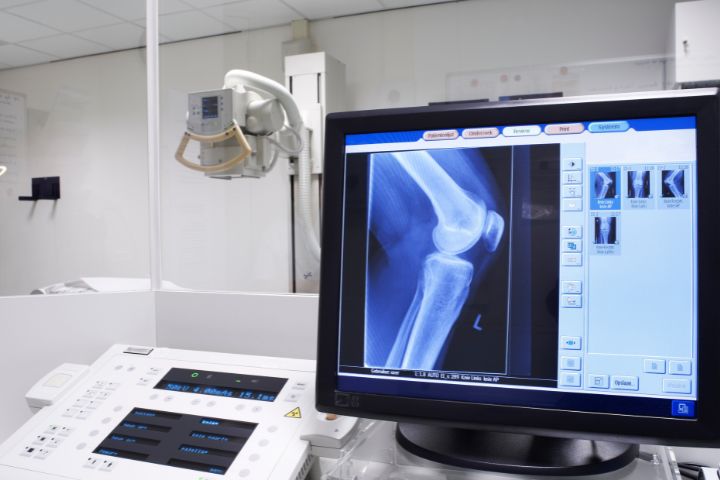
If you’re interested in working in a healthcare field that combines cutting-edge technology with patient care, a radiologic technologist career path may be for you. Radiologic technologists (often called rad techs) play a crucial role in the medical field by using imaging equipment such as X-rays to help doctors diagnose and treat patients.
But before you take the first step, it’s important to understand what this profession involves. What is a radiologic technologist? What are the requirements to become a radiologic technologist? And what skills or traits can help you succeed in this career? Let’s explore the radiologic technologist career path to see if it’s the right fit for you.
What could make you a good fit for this career path
A radiologic technologist career path is ideal for individuals who enjoy working with both people and technology. As a rad tech, you’ll be responsible for operating sophisticated imaging machines, ensuring patient safety, and producing clear images that physicians use to make accurate diagnoses.
To succeed in this career, you’ll need a mix of technical knowledge, interpersonal skills, and attention to detail. Here are some aspects of the job that can help you decide if you’re a strong fit for the field:
- Technical aptitude: You’ll work with complex imaging equipment, so an interest in technology and problem-solving is essential.
- Compassion and communication: Rad techs interact with patients who may be nervous or in pain. Strong communication and empathy can help put patients at ease.
- Attention to detail: Capturing high-quality images requires precision and focus. Following safety protocols is also crucial when working with radiation.
- Physical stamina: This job often involves standing for long periods and assisting patients with limited mobility.
- Teamwork: Radiologic technologists are part of a broader healthcare team that includes physicians, nurses, and other imaging specialists.
If you’re the kind of person who enjoys learning new technology, solving problems, and making a difference in patients’ lives, this career could be a rewarding fit.
Where rad techs work
Radiologic technologists work in a wide variety of healthcare settings. Some of the most common workplaces for radiologic technologists include:
- Hospitals: Many rad techs work in hospitals, where they assist in emergency departments, operating rooms, and diagnostic imaging departments.
- Outpatient imaging centers: These facilities focus on scheduled diagnostic exams like X-rays.
- Physician offices and clinics: Some medical practices employ rad techs to perform routine imaging for patient care.
- Urgent care centers: Fast-paced environments where technologists capture quick, accurate images for immediate diagnosis.
- Specialty facilities: Some rad techs work in areas like orthopedics or women’s health centers that require specific imaging expertise.
Because diagnostic imaging is such an essential part of modern healthcare, skilled technologists are needed in nearly every medical setting. This variety offers flexibility for professionals to find a work environment that suits their interests and lifestyle.
Training requirements to pursue this career
If you’re ready to explore what it takes to enter the field, the next step is understanding the education and training requirements to be a radiologic technologist.
Most employers require candidates to complete an accredited radiologic technology program, which typically leads to an associate degree. These programs combine classroom instruction with hands-on clinical training to prepare students for real-world practice. Coursework often includes:
- Anatomy
- Radiation safety
- Patient care procedures
- Medical imaging techniques
After completing an accredited program, aspiring technologists must pass a national certification exam. Many states also require licensing to practice as a radiologic technologist, and requirements can vary depending on location. Be sure to look up what’s required in the state you plan to work in!
Continuing education is also required to maintain certification and stay current with new technology and techniques. Training is an important step not only for meeting industry requirements but also for developing the skills and confidence to work effectively in clinical settings. A structured program can help you gain the technical knowledge and patient care experience you’ll need to begin your career.
Jump start your Rad tech career with the training program at Dorsey College
If you’re ready to start your journey toward becoming a radiologic technologist, Dorsey College can help you take that first step. The Radiologic Technology program at Dorsey College is designed to prepare students with both the theoretical knowledge and practical skills needed to pursue entry-level positions in the field.
Through classroom instruction and supervised clinical experience, students can learn how to operate imaging equipment, apply radiation safety principles, and provide compassionate patient care. The program also helps prepare graduates to sit for the ARRT certification exam and meet the professional standards required for employment as a rad tech.
Learn more about the Radiologic Technology program at Dorsey College today and take the first step toward your future as a radiologic technologist.
