
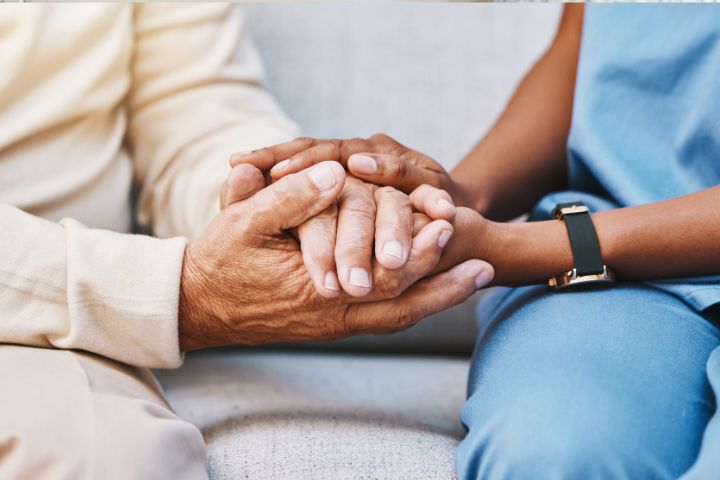
When most people think about patient care skills, they often picture the things you see in hospital dramas, like taking vital signs, assisting with exams, or giving medications. While those technical skills are essential, there are other skills needed for working in healthcare. If you talk to patients about what stands out during their healthcare experience, they’ll often mention how they were treated.
That’s where soft skills in healthcare come in. These skills go beyond clinical tasks. They shape how you:
- Connect with people
- Communicate during stressful moments
- Care for patient needs both physically and emotionally
Let’s break down why soft skills matter in patient care and how you can develop them.
What are soft skills in healthcare?
Soft skills in healthcare are personal and interpersonal abilities that affect how you interact with others. These are the traits that influence how you communicate, collaborate, and provide compassion.
Unlike technical skills (such as inserting an IV or recording blood pressure), soft skills include things like:
- Empathy
- Compassion
- Communication
- Teamwork
- Emotional awareness
In many cases, soft skills are what turn routine medical appointments or procedures into positive patient experiences.
Why soft skills are critical for patient care
Soft skills are important because they build trust, reduce anxiety, and help patients feel heard and respected. Imagine this scenario: A healthcare professional performs every task perfectly but interrupts the patient, rushes through explanations, and doesn’t make eye contact. Even if the clinical care of the patient was perfectly executed, they will likely still leave the appointment feeling confused or dismissed.
Now imagine a patient care provider who listens carefully, explains procedures clearly, practices active listening, and shows genuine compassion to the person they’re treating. In both scenarios, technical care is the same, but the overall patient experience is dramatically different.
That’s why soft skills are needed in patient care!
Healthcare environments can be stressful. Patients might be in pain, frightened, or overwhelmed. Strong patient care skills help healthcare workers respond appropriately to these emotions. By demonstrating empathy and patience, they can:
- Create a sense of safety and trust
- Reduce misunderstandings
- Improve patient outcomes
- Support better teamwork
Key soft skills every healthcare professional needs
If you’re building your foundation in healthcare, some soft skills to focus on include:
- Empathy and compassion
- Active listening
- Clear communication
- Emotional intelligence
- Teamwork and collaboration
Empathy and compassion
Empathy is the ability to understand and share another person’s feelings. Compassion is acting with kindness and care. In patient care, both of these soft skills help you show up better for patients. Empathy helps you recognize that every patient’s experience is unique and new to them. Compassion helps you show the patient that they are more than just a chart or appointment time.
Empathy and compassion strengthen trust, which is essential when helping patients follow treatment plans or share important health information.
Active listening
Active listening is more than just hearing words. It’s giving your full attention and responding thoughtfully. Strong basic patient care skills for active listening include:
- Asking open-ended questions
- Maintaining eye contact
- Summarizing what the patient says to confirm understanding
Active listening helps you reduce miscommunications. It’s also how you make sure you fully grasp their concerns and can respond appropriately. Active listening is one of the most valuable skills in healthcare because it prevents small misunderstandings from becoming larger issues.
Clear communication
Healthcare can be filled with complex terminology and timelines that are hard for patients to understand. Learning how to take medical jargon and breaking it down into information a patient can understand is an important soft skill for healthcare workers. In addition to clarifying complex jargon, clear communication also helps you:
- Speak calmly and clearly
- Check for understanding
- Encourage questions
When patients understand their care plan, they feel empowered and are more likely to follow it correctly. This directly impacts patient outcomes!
Emotional intelligence
Emotional intelligence involves recognizing your own emotions and understanding the emotions of others. In healthcare, this skill helps you stay calm under pressure. It allows you to respond thoughtfully instead of reactively.
For example, if a patient becomes frustrated or upset, emotional intelligence helps you remain composed and supportive rather than defensive. Strong emotional awareness can also improve workplace relationships and communication among teammates. All of these outcomes improve overall patient care skills.
Teamwork and collaboration
Healthcare is rarely a solo effort. No matter what role you take, you’ll likely work with nurses, doctors, medical assistants, technicians, and others. Learning teamwork and collaboration helps you:
- Complete tasks effectively and accurately
- Reduce the likelihood of errors
- Improve communication between departments
- Strengthen the performance of the overall healthcare team
The balance between technical skills and soft skills
One thing to note: soft skills do not replace technical skills. However, they do complement them. To succeed in healthcare, you’ll need both.
Technical skills allow you to perform procedures safely, while soft skills allow you to deliver technical care with professionalism, empathy, and clarity. Think of it this way: technical training teaches you what to do, while soft skills shape how you do it.
The most successful healthcare professionals are those who can balance clinical precision with genuine compassionate care.
How to develop soft skills through training
Soft skills can be developed and strengthened over time. One of the most effective ways to build both technical and soft skills is through hands-on healthcare training programs. Hands-on training gives you structured opportunities to practice basic patient care skills in supervised environments while interacting with instructors, classmates, and real patients.
Hands-on programs usually include:
- Clinical simulations
- Externships in healthcare settings like doctor’s offices
- Role-playing exercises
- Team-based projects
These programs also involve direct feedback from experienced professionals, allowing you to learn from people in the field who have direct experience working with patients/ These experiences help you learn how to communicate with patients, manage stressful situations, and collaborate with coworkers, all before entering the workforce full-time.
Hands-on training is a key part of every healthcare program at Dorsey College. Our healthcare training programs lay the foundation for both technical knowledge and soft skills in healthcare, allowing you to learn how to truly connect with patients, listen carefully, communicate clearly, and work effectively. Click the button below to learn more about our programs and to start your patient care skills training today!
