
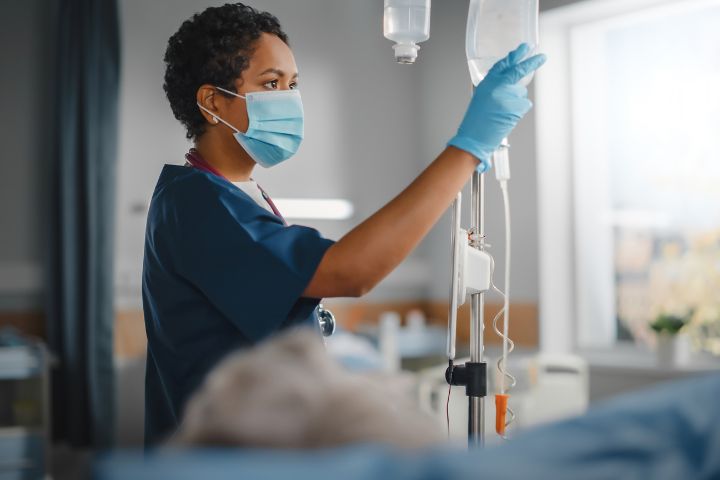
A big reason many people choose to enter the LPN career field is because they enjoy the variety that comes with this job industry. If you’ve wondered “Where can LPNs work?” the answer is in more places than you might think!
Licensed practical nurses (LPNs) provide basic medical care and patient support throughout healthcare environments. According to the Bureau of Labor Statistics, LPNs worked in roughly 666,900 jobs in 2025. Let’s explore more about this career, where LPNs can work, and what jobs an LPN can do.
Where LPN’s can work
You’ll find licensed practical nurses in multiple healthcare settings. Each environment offers a different pace, patient population, and set of responsibilities. The most common places an LPN can work include:
- Nursing homes and long-term care facilities
- Hospitals
- Physician’s offices and clinics
- Home healthcare
- Rehabilitation centers
- Assisted living facilities
- Schools and correctional facilities
- Hospice and palliative care
1. Nursing Homes and Long-Term Care Facilities
Nursing and residential care facilities are the largest employment setting for LPNs. According to the BLS, this environment accounts for 37% of LPN employment in 2025.
So, what does an LPN do in a nursing home? Their responsibilities in this setting may include:
- Checking vital signs
- Monitoring residents’ health
- Changing wound dressings
- Helping patients with activities like bathing and dressing
- Documenting care
- Communicating changes in a patient’s condition
In these facilities, you’ll likely work closely with residents who have chronic health conditions or need ongoing care. Patience and compassion are essential qualities to have or build in this role. If you want a job where you provide consistent, long-term, hands-on care to people in need, this option is worth considering.
2. Hospitals
Hospitals are another common workplace for LPNs, accounting for 16% of LPN employment in 2025. If you’ve searched “what does an LPN do in a hospital,” you may have noticed their responsibilities vary depending on the facility, department, state regulations, and more.
However, there are a few basic tasks most LPNs will do in a hospital, including:
- Monitoring patients and taking vital signs
- Providing basic patient care and comfort
- Collecting specimens for testing
- Performing routine tests
- Communicating patient concerns to their healthcare team
This environment requires adaptability and the ability to remain calm under pressure. The hospital environment can be fast-paced and will expose you to a variety of patients and medical conditions.
3. Physician’s Offices and Clinics
Not every LPN works in a hospital or long-term care facility. Another place you’ll find them is in doctor’s offices and outpatient clinics. In these settings, LPNs help doctors and other healthcare professionals with patient care by:
- Preparing patients for exams or procedures
- Collecting patient information
- Taking vital signs
- Documenting information
This work environment may appeal to someone who prefers a more predictable schedule rather than the 24-hour nature of many hospitals and residential care facilities.
4. Home Healthcare
For LPNs who enjoy working more independently and providing care in a patient’s home, home healthcare can be another great career option. LPNs working in home healthcare travel to patients’ homes or apartments and provide care based on the patient’s needs and care plan. Their job duties include:
- Assisting with daily activities and routines
- Providing basic nursing care
- Reinforcing instructions provided by registered nurses
- Communicating concerns to other members of the patient’s healthcare team
Home healthcare usually looks quite different from working in a hospital or nursing home. You may spend more time focused on an individual patient in their home environment.
5. Rehabilitation Centers
Rehab centers are another common setting for an LPN career. These facilities help patients recover from illness, injury, surgery, or other medical conditions. LPNs working in these settings do the work you find in other work settings, as well as administering medications when permitted by state law and facility policies.
6. Assisted Living Facilities
Assisted living facilities are another potential workplace for LPNs. People in these settings often need long-term assistance with daily activities but don’t require the level of care you find in a nursing home.
LPNs in these work settings may:
- Monitor residents’ health
- Help with personal care and routines
- Document health information
Keep in mind the day-to-day responsibilities can vary considerably depending on the type of facility and the needs of its residents. For example, your daily routine at an assisted living center for people with Alzheimer’s will look different than a more traditional assisted living center.
7. Schools and Correctional Facilities
When you’re researching what jobs an LPN can do, it can be easy to overlook settings outside traditional healthcare. But you will also find LPNs in places like schools or correctional facilities (jails or prisons), depending on the LPN’s location, qualifications, and available positions.
For example, correctional facilities may have healthcare operations that provide medical services to incarcerated people. Compassion and empathy are key qualities to build in these roles. It’s important to remember that incarcerated people deserve access to quality health care and caring health workers.
In a school setting, LPNs support students with ongoing health needs or who have health issues that crop up during the school day. If becoming a school nurse is a position you think you’d enjoy, you will also want to ensure you have the patience to interact with young children daily.
8. Hospice and Palliative Care
Another career direction for LPNs is hospice and palliative care. If you’re interested in supporting patients and families during serious illness or end-of-life care, this is worth considering. LPNs in these settings:
- Assist with comfort measures
- Report changes in condition
- Provide hands-on care
- Communicate compassionately with patients and their loved ones
Hospice and palliative care require strong communication skills, patience, and the ability to work closely with a team. This can be a rewarding area of nursing to explore.
How to Choose the Right Setting for You
Knowing where LPNs work is only the first step. The next question is: Which setting might be right for you?
To help you narrow things down, ask yourself these questions:
- Do I prefer a fast-paced environment or a workplace with a slower daily rhythm?
- Would I rather develop long-term relationships with patients, or focus my efforts on a changing variety of people every day?
- Do I prefer working at the same location every day, or would I rather travel to patients’ homes or an outpatient environment?
- Do I want a consistent “9-to-5″ role or would I prefer working at a 24-hour facility where I can work nights, weekends, or holidays?
- Do I want to work with older adults, children, people in recovery, or others?
- Am I interested in acute care, long-term care, rehabilitation, or comfort-focused care?
Answering these questions can help guide you to the best career path for your goals.
Start Your LPN Career Journey
With so many potential work environments, an LPN career can provide opportunities to find the right setting that fits your interests, strengths, and professional goals. No matter which place you choose to work, you’ll need to complete an approved licensed practical nursing program and meet your state’s licensing requirements before you begin.
Dorsey College offers a Practical Nurse program that combines hands-on lab experience, classroom instruction, and clinical training to help you gain the skills you need for success as an LPN. Coursework includes areas such as:
- Anatomy and physiology
- Pharmacology
- Health assessment
- Mental health
- And more
The program is designed to help students learn these concepts while preparing to pursue licensure in Michigan. Graduates will be eligible to sit for the NCLEX-PN exam. At Dorsey College, we’re here to provide the training and experience needed to help you begin your journey. Click the button below to learn more!
Dorsey College has determined that its Practical Nurse program curriculum is sufficient to fulfill educational requirements for licensure in the State of Michigan only. No educational determinations have been made for any other state, district, or US territory in regards to nursing licensure requirements.
